
 السعودية
 عُمان
عُمان Русский
Once a car is sold or handed over as scrap, most owners never think about it again. But a lot happens between the moment a tow truck drives away with your old vehicle and the point where its materials are actually recovered and reused: the vehicle is inspected, its fluids are safely drained, any reusable parts are removed for resale, and the remaining metal is separated by type before being sent for recycling. Understanding that process helps explain why a "scrap car" isn't simply thrown away, and why the vehicle's condition still matters even after you've decided to let it go, since a car with more usable parts intact is generally worth more than an identical car that's already been stripped.
This guide walks through the general stages a vehicle typically goes through once it's collected as scrap, what gets recovered along the way, and why the answer to "what happens to my old car?" is more involved than most people expect.
Quick answer: after collection, the vehicle is inspected, its fluids are safely removed, and it's then dismantled so that usable parts and recyclable materials such as steel, aluminium, copper and glass can be recovered before the remaining shell is processed.
Why Recycle a Car at All?
A vehicle that's reached the end of its road life still has real value locked inside it, in three main ways:
The General Journey of a Scrap Car
While exact procedures vary between operators, a responsibly handled end-of-life vehicle generally moves through the same broad stages:
- Collection. The vehicle is picked up from the owner's location and transported to a processing yard.
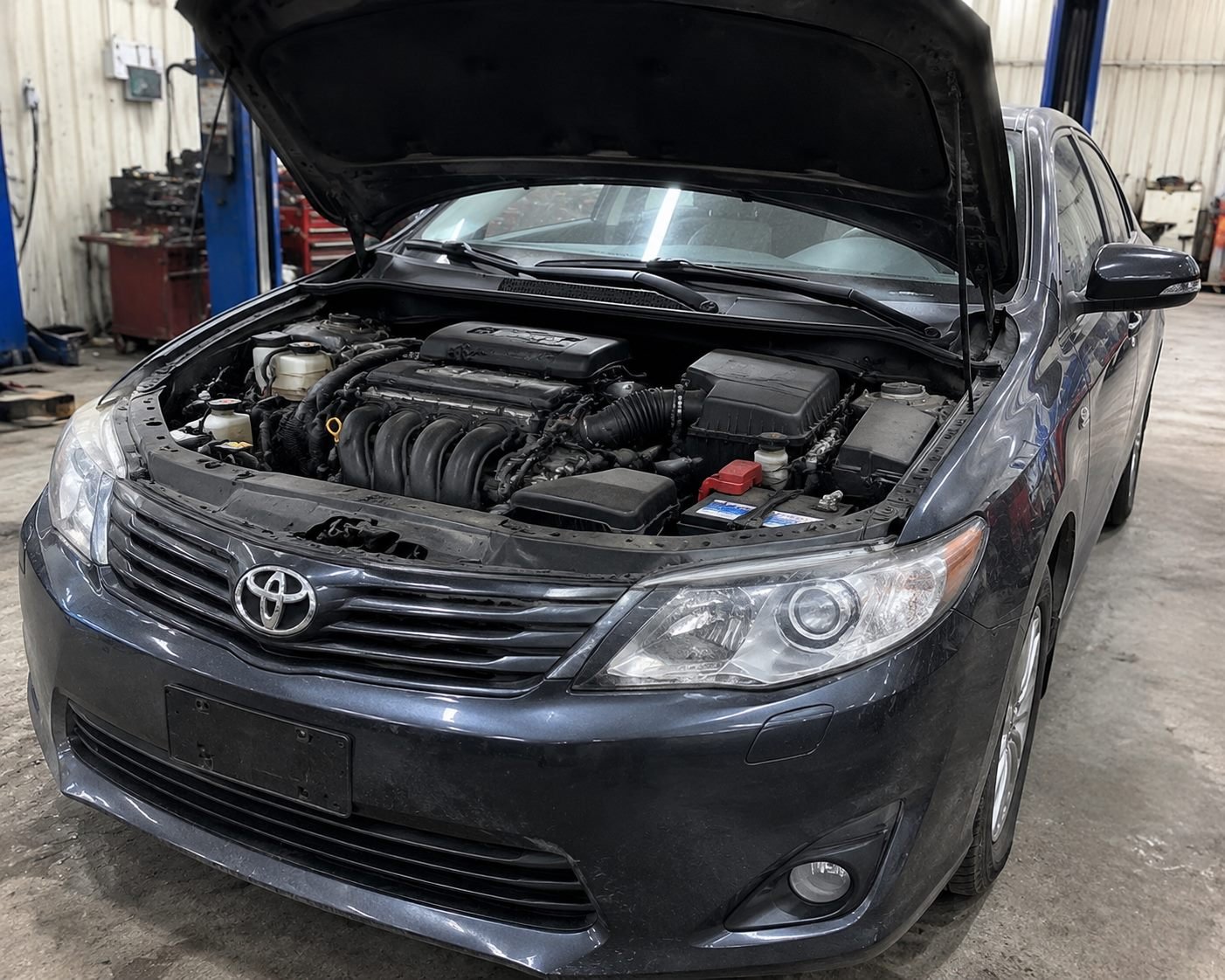
- Inspection. The car is assessed on its condition, make and model, mechanical components, body condition, electrical components, interior components, and which parts may still be usable.
- Depollution. Fluids and hazardous materials are safely removed before any physical dismantling begins.
- Dismantling. The vehicle is manually taken apart, rather than immediately crushed, so components can be assessed individually.
- Parts recovery. Components still in usable condition are set aside for inspection and potential resale.
- Material separation. Metals, glass, plastics and other materials are separated from one another.
- Metal processing. The remaining stripped shell and separated metals move on to scrap metal processing.
Why a Scrap Car Isn't Simply Crushed
It's a common assumption that a "scrap car" gets sent straight to a crusher. In practice, that step usually comes last, not first. A vehicle that still contains usable mechanical, electrical or body parts holds more value dismantled than crushed whole, so it makes both economic and environmental sense to recover what can still be used before the remaining shell is processed for its metal content.
Handling Fluids and Hazardous Materials First
Before any dismantling takes place, a vehicle typically still contains fluids and materials that need to be handled carefully rather than left in place. This generally includes engine oil, transmission fluid, coolant, brake fluid, fuel, refrigerant from the air conditioning system, and the vehicle's battery. Removing these safely first helps prevent contamination during the rest of the process and is a standard early step in responsible vehicle processing.
Dismantling: Recovering What's Still Usable
Once fluids and hazardous materials are dealt with, dismantling can begin. Rather than being reduced to scrap in one step, the vehicle is taken apart so individual components can be assessed on their own condition. A car that's a total loss for insurance or repair purposes can still have an engine, gearbox, alternator, wheels, glass or body panels that are in good working condition and worth recovering separately.
What Gets Recovered From a Scrap Car
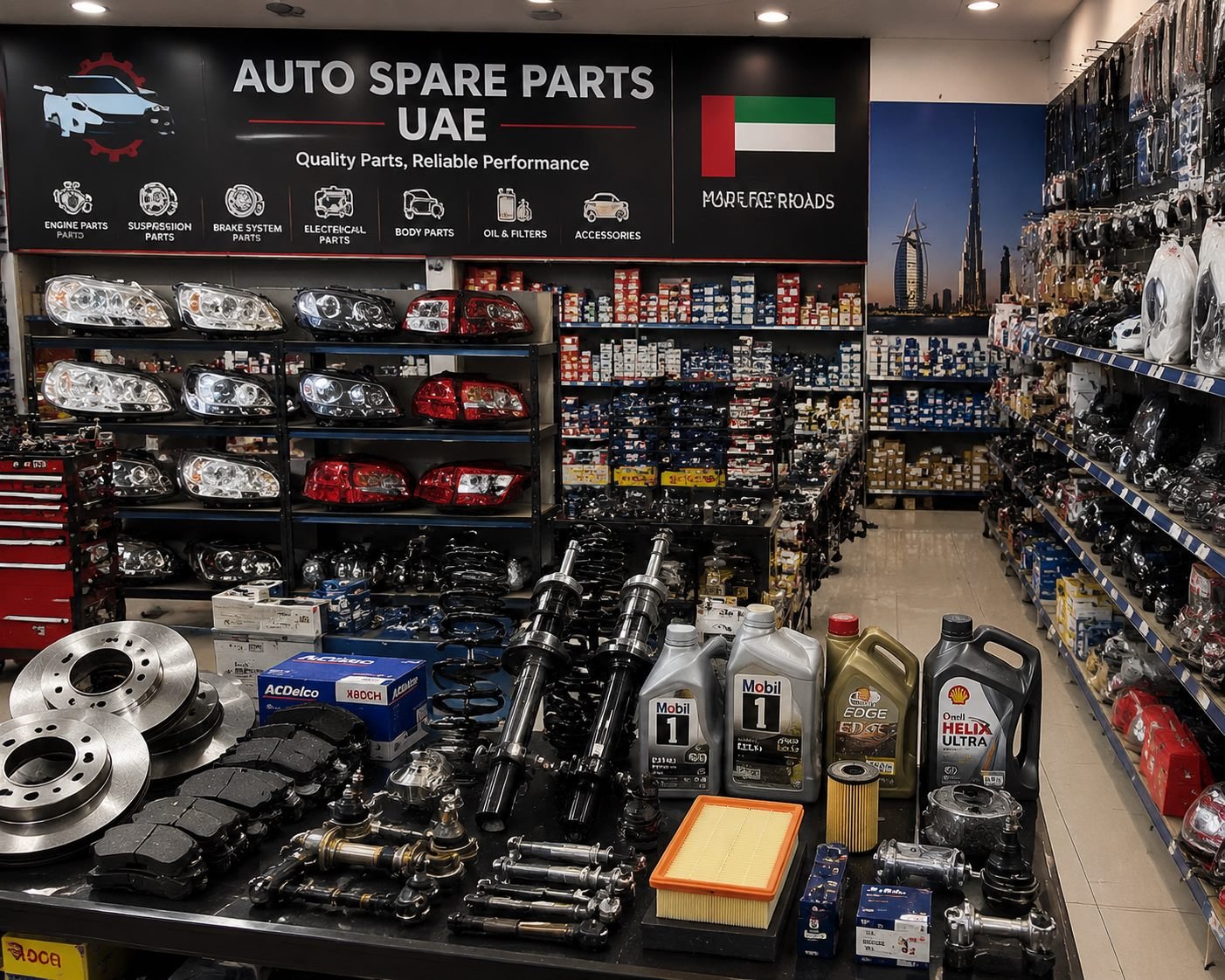
The table below gives a general sense of the categories of parts and materials that can typically be recovered from an end-of-life vehicle, depending on its condition:
| Category | Examples |
|---|---|
| Exterior body | Doors, fenders, bonnet, boot lid, bumpers, quarter panels |
| Lighting | Headlights, taillights, fog lights, indicators |
| Mirrors | Side mirrors, mirror assemblies |
| Glass | Windscreen, door glass, quarter glass |
| Interior | Dashboard, seats, centre console, door panels, trim |
| Electrical | ECU, control modules, alternator, starter motor, wiring components |
| Engine | Engine assemblies, manifolds, accessories |
| Transmission | Gearbox, transmission components |
| Cooling | Radiator, condenser, cooling fans |
| Suspension | Control arms, hubs, knuckles, shocks and struts |
| Steering | Steering rack, steering components |
| Braking | Brake callipers, discs, master cylinder components |
| Wheels | Rims and alloy wheels |
| Tyres | Usable tyres, where condition allows |
| HVAC | AC compressor, blower motor, HVAC components |
| Fuel system | Fuel pump and other recoverable components |
| Exhaust | Catalytic converter and other components, where applicable |
| Other | Sensors, switches, handles and similar smaller components |
Reusable, Recyclable and Residual: Not Everything Is the Same
A responsible approach to scrap vehicle processing generally sorts what comes off the car into three broad categories, rather than treating everything the same way:
- Reusable parts — components still in working condition are inspected and can be sold as used auto parts.
- Recyclable materials — metals such as steel, aluminium and copper, along with glass and certain plastics, are separated and directed toward recycling.
- Residual material — anything that can't reasonably be reused or recycled is handled through the appropriate waste route rather than being presented as something it isn't.
This distinction matters. Claiming that "everything gets recycled" is rarely accurate for any vehicle processor — being upfront about which category something falls into is more useful, and more honest, than a blanket claim.
What Happens to an Electric Vehicle?
Electric vehicles go through the same broad principles — inspection, fluid and hazardous material handling, and recovery of usable components — but with one significant difference: the high-voltage battery pack and related electrical systems. These require trained personnel and appropriate handling procedures rather than standard manual dismantling, since working on a high-voltage system without the right training and equipment carries real safety risks. As EVs become more common on UAE roads, this is an area of vehicle recycling that continues to develop.
Does This Actually Help the Environment?
Recovering usable parts and recyclable materials from a vehicle that would otherwise sit unused reduces the need for some virgin raw material extraction and keeps bulky vehicle waste out of general disposal routes. That said, the full environmental picture of any recycling process also depends on factors like transport distances, the energy used during processing, and how efficiently materials are actually recovered and reused — it isn't something that can be reduced to a single number without real data behind it. We'd rather explain the general principle honestly than attach a statistic we can't verify.
Where This Fits Into Selling Your Scrap Car
If you're deciding whether to sell a car for scrap, the process described above is part of why the vehicle's condition still matters even once you've accepted it won't be repaired or sold privately. A car with more usable parts, or in better overall condition, generally has more value to recover than one that's been stripped or heavily damaged. For a fuller breakdown of how that translates into an actual offer, see our guide on how scrap car valuation works in the UAE.
Curious what your car could be worth?
Send us your vehicle's details and we'll give you an honest assessment based on its actual condition and remaining value.
+971 55 587 7803Frequently Asked Questions
After collection, the vehicle is inspected and its fluids are safely removed. It is then manually dismantled so that reusable parts and recyclable materials such as steel, aluminium, copper, glass and certain plastics can be recovered and separated before the remaining shell is processed.
Not usually straight away. Responsible scrap car processing starts with dismantling, so reusable parts and recyclable materials can be recovered first. Only the remaining shell, once stripped of recoverable materials, moves on to metal processing.
Common recoverable materials include steel and aluminium body and engine components, copper wiring, glass, certain plastics, and mechanical or electrical parts that are still functional, such as alternators, wheels and lighting assemblies.
Before dismantling begins, fluids such as engine oil, transmission fluid, coolant, brake fluid, fuel and refrigerant need to be safely drained and handled appropriately, along with the battery, so they don't contaminate the vehicle or the surrounding site during processing.
No. Parts that are still in usable condition are inspected and can be sold as used auto parts. Materials that can't be reused as parts, such as scrap metal, are separated and directed toward recycling instead of being discarded as general waste.
Recovering usable parts and recyclable materials from an end-of-life vehicle reduces the need for some virgin raw material extraction and helps keep bulky vehicle waste out of general disposal routes, though the overall environmental impact also depends on transport, processing and how residual materials are handled.
Electric vehicles go through the same inspection and depollution principles as petrol or diesel cars, but the high-voltage battery and related electrical systems require trained personnel and appropriate handling procedures rather than standard manual dismantling.