
 السعودية
 عُمان
عُمان Русский
Most cars on UAE roads are bought on finance, so it's one of the most common questions we hear: "I still owe money on my car — can I even sell it?" The short answer is yes. Banks in the UAE deal with this constantly, and the process of selling a financed vehicle is straightforward once you understand the one extra step it adds: clearing the loan and getting the bank to release its claim on the car before ownership can change hands.
This guide walks through exactly how UAE car finance works from a selling perspective, what documents you need, and what happens if your car is worth less than you still owe.
Key point: in the UAE, ownership of a financed vehicle cannot legally transfer to a new owner until the bank has issued a formal release confirming the loan is settled. Skipping this step is not possible through the official registration system.
Can You Sell a Car That Still Has a Loan? Yes
When you finance a car in the UAE, the bank registers a lien (sometimes called a mortgage) against the vehicle on its official registration, or Mulkiya. This means the bank has a legal interest in the car until the loan is fully repaid. Selling the car is entirely possible — you simply need to settle the outstanding balance and have the bank formally release that interest before the traffic authority will process a transfer to a new owner.
How Car Finance and Vehicle Liens Work in the UAE
If you check the Mulkiya of a financed vehicle, you'll usually see the financing bank's name listed against the car. That listing is what prevents an unauthorised sale or transfer — it protects the bank's stake in the vehicle until the loan is paid off. Once the loan is fully settled, the bank removes its name from the vehicle's file, clearing the way for a normal ownership transfer, exactly as it would for a car with no loan at all.
Steps to Sell a Financed Car in the UAE
- Contact your bank and request a loan settlement letter (sometimes called a liability letter), which states the exact amount required to fully clear the loan as of a given date.
- Agree a sale price with your buyer, whether that's a private buyer, dealer or a scrap/damaged car buyer.
- Settle the outstanding loan balance with the bank, either from your own funds, from the buyer's payment, or a combination of both.
- Once the loan is cleared, the bank issues a No Objection Certificate (NOC) or liability release confirming it has no further claim on the vehicle.
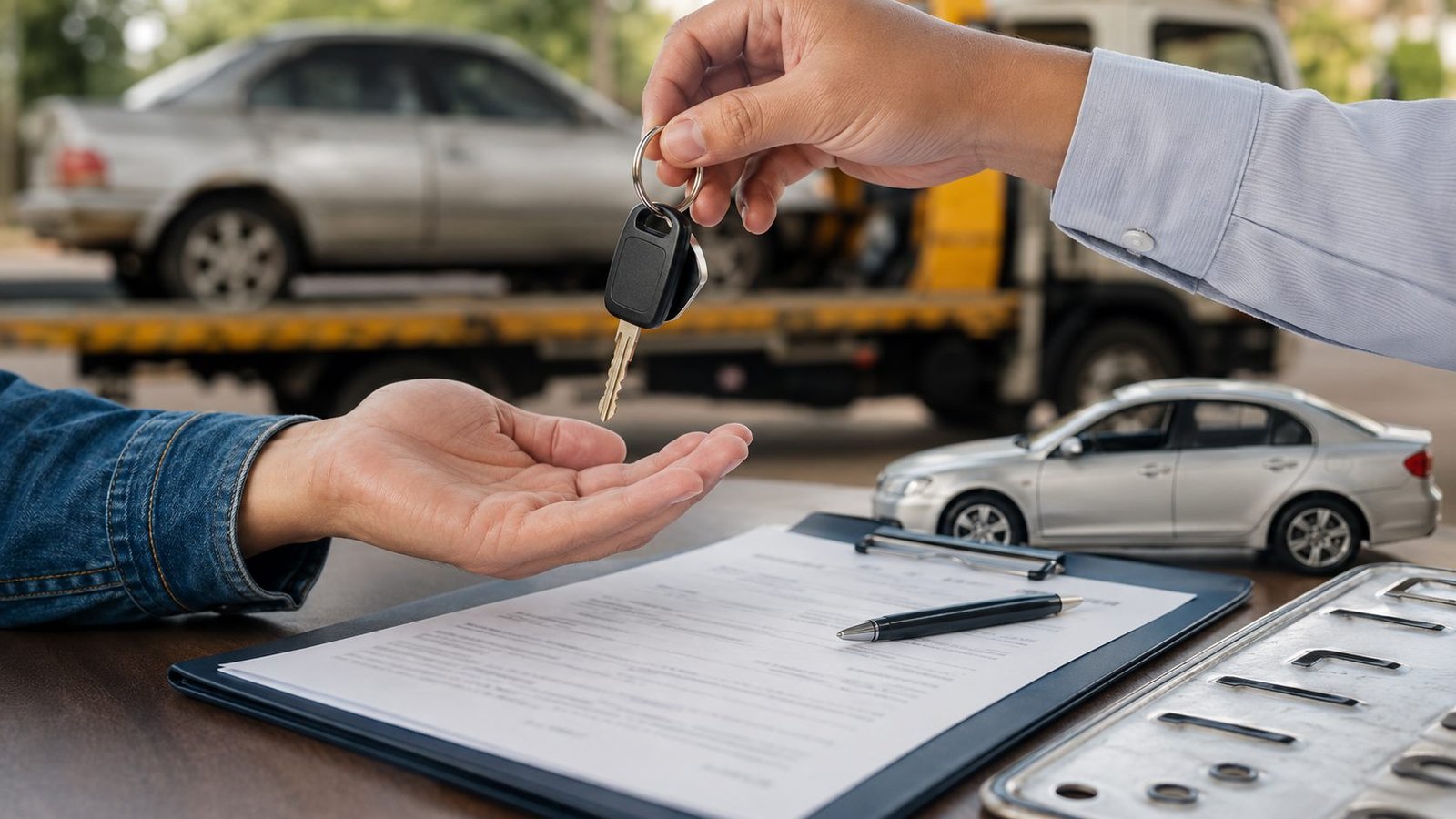
- Complete the ownership transfer with the relevant traffic authority using your Mulkiya, Emirates ID, the bank NOC and the buyer's details.
Loan settlement amounts can include early-settlement fees on top of the remaining principal. Getting the exact figure from your bank before you agree a sale price avoids surprises at the final step.
Who Actually Pays Off the Loan?
In the UAE, buyers do not simply "take over" someone else's existing car loan the way this sometimes works in other markets. The original loan must be closed out entirely before the vehicle can be transferred; a new owner who wants financing would arrange their own separate loan.
Documents You'll Need
| Document | Purpose |
|---|---|
| Loan settlement / liability letter | Confirms exact payoff amount from the bank |
| Bank NOC / lien release | Confirms the bank no longer has a claim on the vehicle |
| Vehicle registration (Mulkiya) | Required for any ownership transfer |
| Emirates ID | Identity verification for both seller and buyer |
| Insurance details | May be needed to update or cancel the policy after sale |
When the Car Is Worth Less Than the Loan
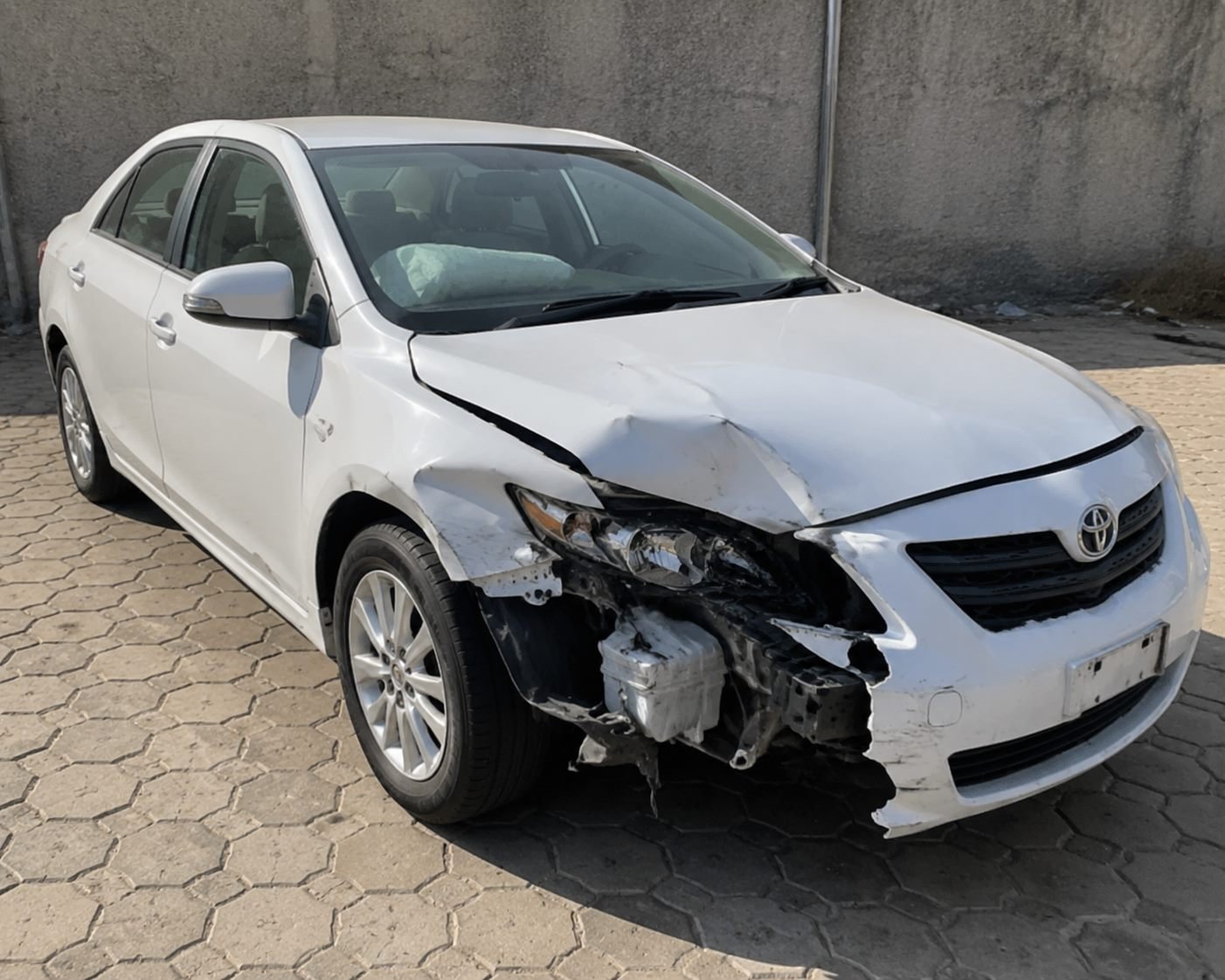
This is called negative equity, and it's a real possibility for older, damaged or accident-affected vehicles where the loan balance hasn't been fully paid down. If your car's sale or scrap value comes in lower than what you still owe, the shortfall doesn't disappear — you're responsible for covering the difference directly with the bank to fully close the loan and release the lien. It's worth requesting your settlement figure and getting an honest vehicle valuation early, so you know where you stand before agreeing to sell. For more on how vehicles are valued, see our guide on how scrap car valuation works in the UAE.
Mistakes to Avoid
- Agreeing a sale price before confirming the exact loan settlement figure with your bank.
- Assuming a buyer can simply "take over" your existing loan — this is not how UAE vehicle finance works.
- Handing over the vehicle or accepting payment before the bank NOC has actually been issued.
- Letting loan payments lapse while trying to arrange a sale, which can trigger penalties or affect your credit record.
- Ignoring negative equity and assuming the sale proceeds alone will automatically clear the loan.
- Not confirming who is responsible for any early-settlement fee before finalising the deal.
How We Help With Financed Vehicles
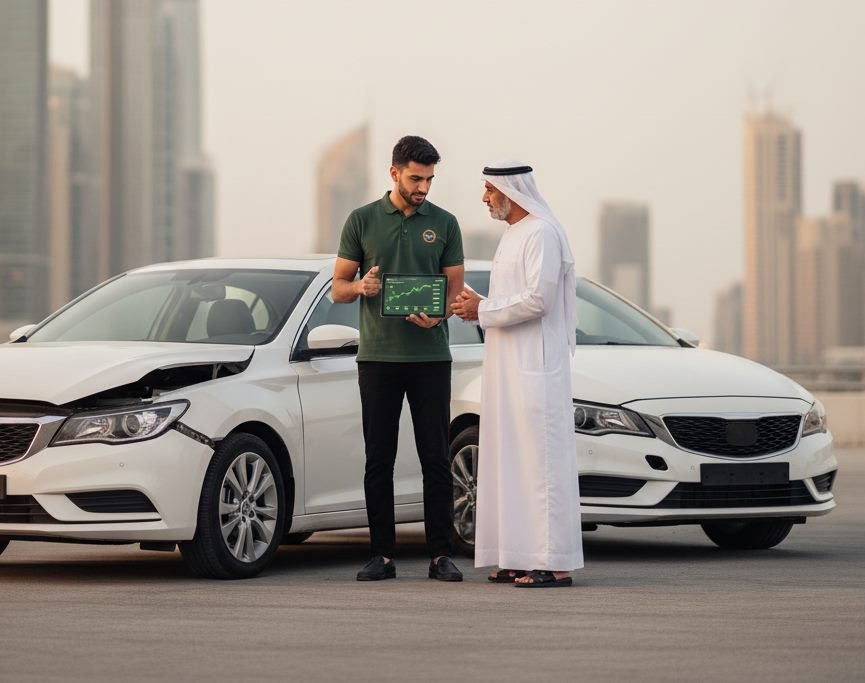
We regularly buy damaged, accident-affected and non-running vehicles that still have an outstanding bank loan. Tell us your loan settlement figure and vehicle condition, and we'll give you a straightforward assessment of your car's value, help you understand the numbers, and coordinate the paperwork so the sale, loan settlement and ownership transfer all happen properly.
Have a car with a loan you need to sell?
Send your vehicle details and loan settlement figure, and we'll walk you through exactly how the numbers work out.
+971 55 587 7803Frequently Asked Questions
Yes. You can sell a financed car in the UAE, but the outstanding loan must be settled and the bank must release its lien on the vehicle before ownership can legally transfer to a new owner.
A bank No Objection Certificate confirms the loan has been fully settled and the bank no longer objects to the vehicle being transferred, sold or deregistered. It is required before the traffic authority will process an ownership transfer on a financed vehicle.
This is called negative equity. If the sale or scrap value of the car is less than what you still owe, you are responsible for paying the remaining shortfall to the bank directly to fully clear the loan and release the lien.
Timelines vary by bank, but most UAE banks issue a settlement letter or liability letter within a few working days of a request, sometimes sooner through phone banking or a mobile app.
Yes. A scrap or damaged car buyer can still purchase a financed vehicle, but the loan settlement and bank NOC still need to be arranged as part of the transaction before ownership can transfer.
This depends on the agreement between buyer and seller. In many cases the seller settles the loan first using the sale proceeds, though some arrangements involve the buyer's payment going toward the settlement figure directly.