
 السعودية
 عُمان
عُمان Русский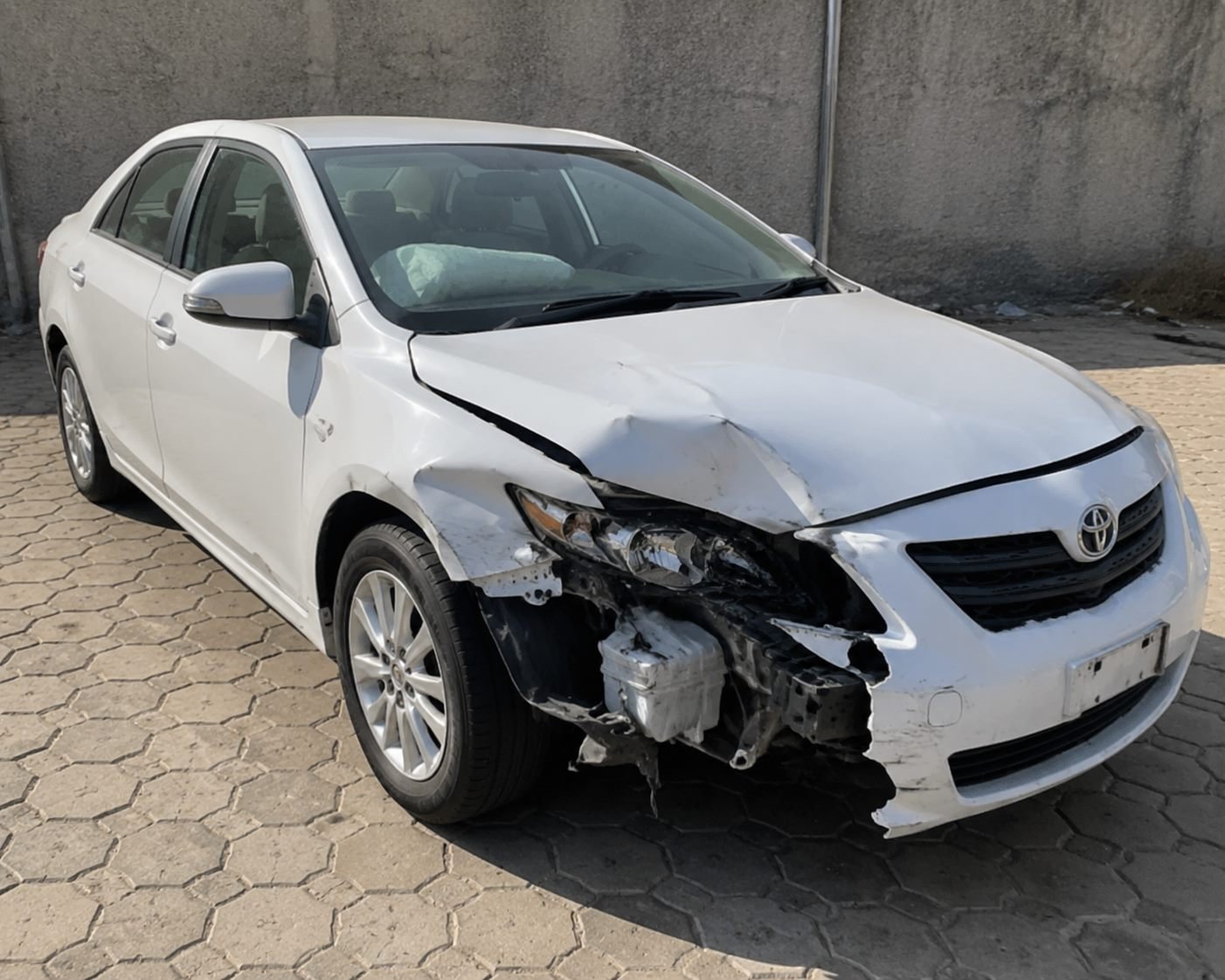
After a car accident in the UAE, you generally have two options: repair the vehicle or sell it for scrap, and the right choice comes down to comparing real repair costs against the car's actual value rather than guessing. Road accidents are a routine part of driving in the UAE — fast-moving highways like Sheikh Zayed Road and Emirates Road, sudden winter fog in Abu Dhabi and Al Ain, occasional sandstorms, and the flash flooding events the country has experienced in recent years all contribute to a steady stream of accident-damaged vehicles. UAE insurers typically assess a vehicle as a "total loss" when repair costs approach or exceed a set share of its market value, and your accident report plays a direct role in that assessment.
This guide walks through exactly how to make that decision properly — comparing real repair costs against your car's actual value, understanding how UAE insurers assess "total loss," and what your accident report means for what happens next.
Safety first: if your vehicle was involved in an accident affecting the frame, steering, brakes or airbags, do not drive it until it has been properly assessed, regardless of what this guide covers financially.
The Core Question: Repair Cost vs. Car Value
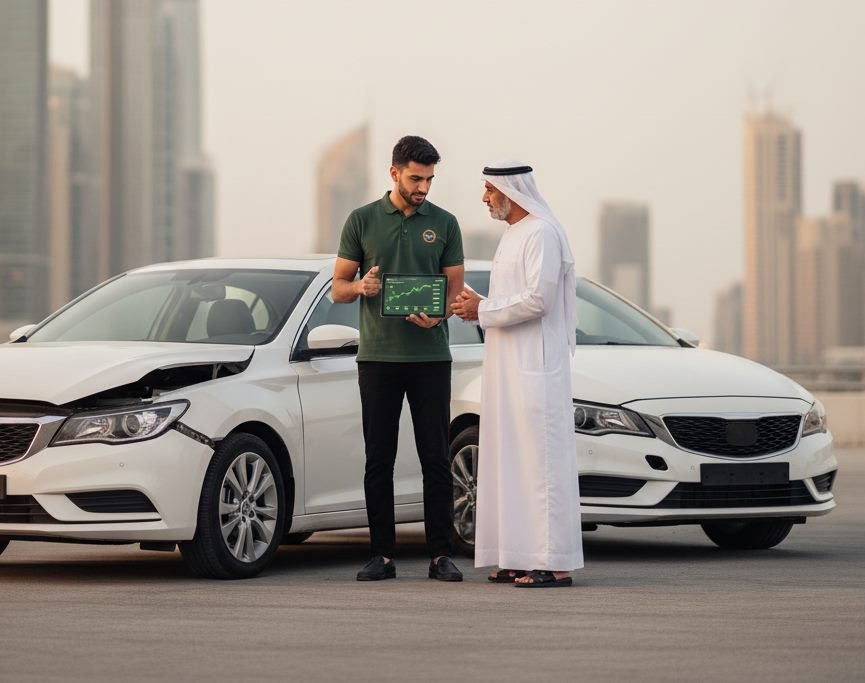
Every repair-or-scrap decision comes down to one comparison: how much will the repair actually cost, versus what the car is realistically worth once it's fixed. If the repair estimate approaches or exceeds a large share of the car's pre-accident market value, repairing rarely makes financial sense — you'd be spending most or all of the car's worth just to get back to where you started, with an accident now on its history.
Why This Decision Comes Up So Often in the UAE
A few UAE-specific factors make accident damage an unusually common reason for selling a car here compared to many other markets:
- High-speed highway driving. Multi-lane roads with high speed limits mean collisions often involve more force and more damage than low-speed city accidents.
- Seasonal fog. Dense fog on winter mornings, especially around Abu Dhabi and Al Ain, is a recurring cause of multi-vehicle pile-ups.
- Sandstorms and dust. Sudden visibility drops catch drivers off guard on open highways.
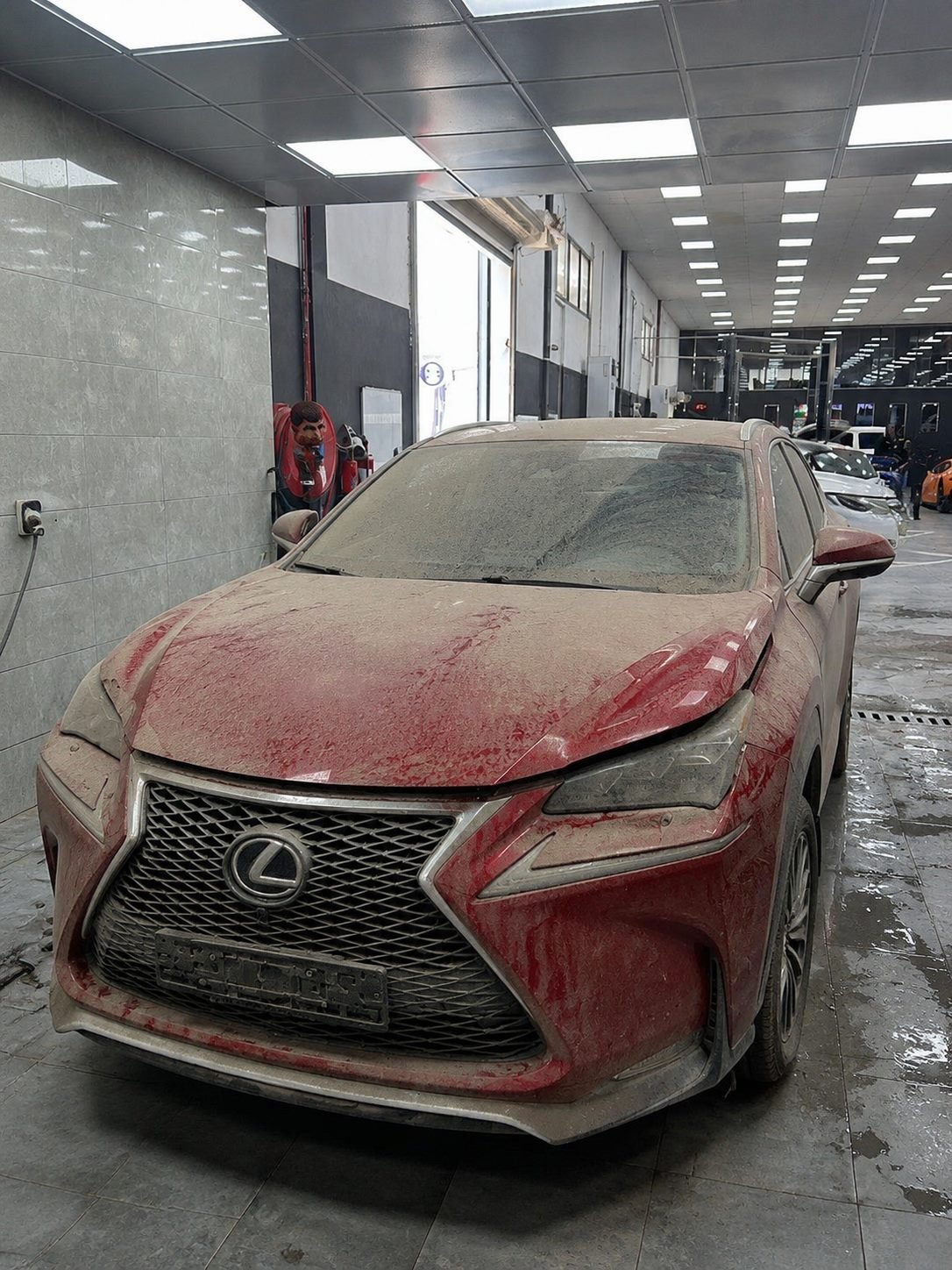
- Flash flooding. Heavy rainfall events have caused widespread flood damage to parked and driven vehicles in recent years, a type of damage most UAE drivers have limited experience assessing.
- A large used-car resale market. Because so many vehicles change hands in the UAE, accident history has a real, measurable effect on resale value, making the "repair vs. scrap" maths more important here than in markets where cars are typically kept until they die.
What to Do Immediately After an Accident
- Check for injuries first. If anyone is hurt, call 999 immediately.
- For a minor accident with damage only and no injuries, Dubai's Al Yusr service allows you to move your vehicle out of traffic and file the accident report digitally through the smart app, rather than waiting at the scene.
- For accidents involving injury, significant damage, or a dispute over fault, remain at the scene and wait for police to attend and issue an official report.
- Take photos of all vehicles involved, the road position and any visible damage before anything is moved, where safely possible.
- Keep a copy of your police or Al Yusr report — you'll need it for your insurance claim and potentially for registration or transfer purposes later.
The report isn't just paperwork for your insurer. It can be referenced when you eventually sell, transfer or deregister the vehicle, particularly if the damage was significant enough to affect the car's official condition record.
How UAE Insurers Decide "Total Loss"
If you're insured, your insurance company will send an assessor or approved garage to estimate repair costs. Insurers generally compare that estimate against the vehicle's pre-accident market value. When the repair cost reaches a large proportion of that value, the insurer typically declares the vehicle an economic total loss rather than authorising repair — even if the car is technically repairable.
The exact percentage threshold varies between insurers and policies, so it's worth asking your insurer directly what threshold applies to your policy. What matters practically is this: if your insurer declares a total loss, you'll usually be paid out based on the car's market value, and the salvage — the damaged vehicle itself — typically becomes available for sale separately, often to scrap and salvage buyers.
Common Types of Accident Damage and What They Mean
| Damage Type | Typical Repair Complexity |
|---|---|
| Cosmetic (bumper, panel, paint) | Usually lower cost; often worth repairing on newer vehicles |
| Front-end collision | Can affect radiator, headlights, sensors and structural rails; cost varies widely |
| Side-impact | May affect doors, pillars and airbags; safety systems must be properly reset |
| Rear-end collision | Often cosmetic and mechanical only, but can affect fuel systems on some vehicles |
| Rollover | High likelihood of frame and roof damage; often uneconomical to repair |
| Flood or water damage | Risk to electrical systems and engine even if the car appears undamaged externally |
Repair or Scrap? The Factors That Actually Matter
The Remaining Value of Damaged Parts
Even a car that's clearly not worth repairing usually still has real value. An accident rarely damages everything — a front-end collision often leaves the engine, gearbox, rear suspension and interior completely intact, while a rear-end collision can leave the front end and engine bay untouched. Buyers assess what survived the accident and price accordingly, alongside the vehicle's scrap metal weight. For the full breakdown of how this valuation works, see our guide on how scrap car valuation works in the UAE.
A Special Note on Flood-Damaged Vehicles
Flooding presents a different risk profile from a collision. A flooded car can look almost normal on the outside while hiding serious problems in the wiring, control units, engine and interior that may not surface for weeks. Because these issues are hard to fully diagnose and expensive to fully repair with confidence, flood-damaged vehicles are very often better sold for parts and scrap value than repaired and put back on the road.
Mistakes to Avoid
- Repairing a car based on a rough estimate without comparing it to the vehicle's actual market value first.
- Skipping the police or Al Yusr report for a "small" accident, then struggling with the insurance claim later.
- Driving a vehicle with suspected frame, steering or airbag damage before it's been assessed.
- Assuming a flood-damaged car is fine just because the engine still starts.
- Selling privately without disclosing accident history, which can create disputes and legal issues later.
- Accepting the first scrap offer without getting the vehicle properly assessed for its parts value.
How We Help After an Accident
Whether your car has been declared a total loss by your insurer, or you've decided the repair bill simply isn't worth it, we assess accident-damaged vehicles based on their actual remaining value — metal, surviving parts and overall condition — and arrange recovery directly from the accident location or your home, with same-day payment once the deal is agreed.
Weighing up repair against scrap value?
Send your accident photos and repair estimate, and we'll give you a straight comparison so you can make the decision with real numbers, not guesswork.
+971 55 587 7803Frequently Asked Questions
Your insurer typically declares a car an economic total loss when the estimated repair cost reaches a large share of the vehicle's pre-accident market value. The exact threshold varies by insurer and policy, so the specific figure should be confirmed directly with your insurance company.
For accidents involving injury, significant damage or disputes, a police report is required and is normally needed for insurance claims and for updating the vehicle's traffic file. For minor damage-only accidents, the Al Yusr service in Dubai allows drivers to move vehicles and file the report digitally instead of waiting for police at the scene.
Yes. UAE used-car buyers and dealers commonly check accident and service history, and a documented accident, even after professional repair, usually reduces resale value and buyer interest compared to an accident-free vehicle.
If the vehicle is structurally safe and roadworthy, it can usually still be driven after the report is filed. If the accident affected the frame, steering, brakes or other safety-critical systems, the vehicle should not be driven until it has been properly assessed.
Flood-damaged vehicles carry additional risk from water in the electrical system, engine and interior, which may not be visible immediately. These vehicles should be assessed by a professional before being driven or repaired, and are often better sold for parts and scrap value rather than repaired.
It depends on the vehicle's age, its pre-accident value, the type of damage and current parts and labour costs. As a rule of thumb, if the repair estimate approaches or exceeds a large portion of the car's market value, selling for scrap usually makes more financial sense than repairing.
Yes. Even heavily damaged vehicles retain value in scrap metal weight and any parts that survived the accident undamaged, such as the engine, gearbox, wheels or electronics, depending on where the impact occurred.