
 السعودية
 عُمان
عُمان Русский
Recycling an end-of-life car matters because most of its weight, mostly metal along with some plastics and glass, still has real value that would otherwise go to waste. A car that's reached the end of its useful life isn't disposed of like ordinary waste: it's dismantled so the metal can be reprocessed into raw material, working parts can be resold for reuse, and only a small residual share of hard-to-separate material ends up unrecovered. This differs sharply from what happens when a car is simply abandoned or left to deteriorate, where fluids can leak untreated and materials that could have been recovered are wasted entirely. Recycling also reduces how much newly extracted raw material is needed for future manufacturing, since recovered steel, aluminium and other metals can substitute for material that would otherwise need to be mined and processed from scratch.
This guide looks at why that process matters, what it actually achieves in terms of waste reduction and material recovery, and where the practical limits of recycling still exist today.
Recycling isn't all-or-nothing. Most of a scrap car's weight can be recovered, but not every material in a vehicle is equally easy or economical to recycle with current technology.
Why Recycling an End-of-Life Car Matters
What Actually Gets Recovered
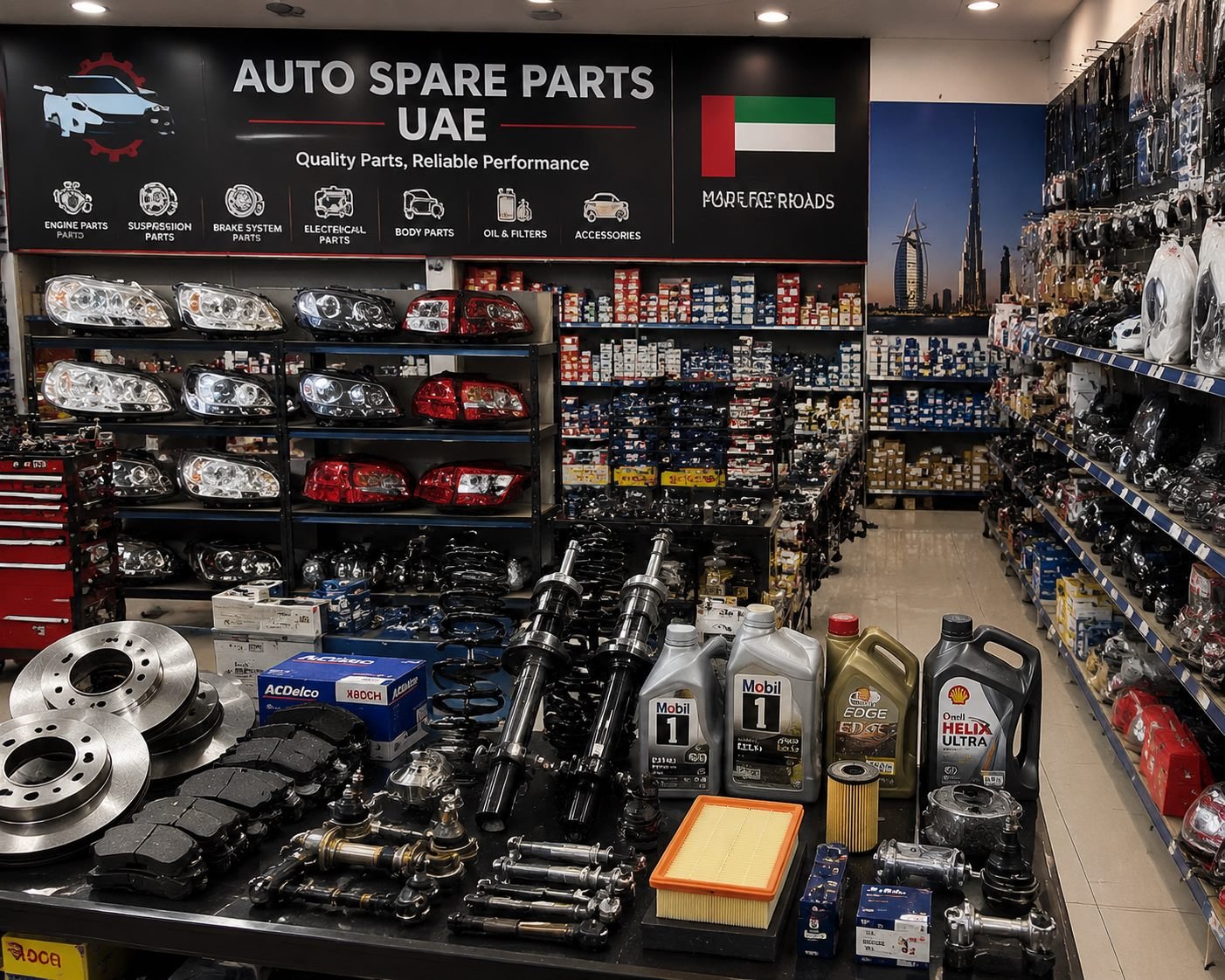
By weight, most of a typical car is metal — steel in the body and chassis, along with aluminium, copper and other alloys in the engine, wiring and various components. When a vehicle is properly dismantled, this metal is separated and sold to processors who melt it down and turn it into raw material for new manufacturing, rather than it sitting unused or being disposed of. Alongside the metal, parts that are still functional — from body panels to mechanical components — are resold as used auto parts, giving them a second life in another vehicle.
Reused parts reduce demand for new ones. Every working part that's resold instead of scrapped is one less new part that needs to be manufactured from raw material.
Reducing the Need for New Raw Material
When recovered metal is reprocessed and used as an input for new manufacturing, it generally reduces how much newly extracted raw material is needed for that portion of production. The exact scale of that effect depends on the material and the manufacturing process involved, but the basic principle — using recovered material instead of new raw material where possible — is a core part of why vehicle recycling is treated as valuable rather than optional.
Where Recycling Still Has Limits
Not every material in a car is equally easy to recycle. Certain plastics, foams, and mixed composite materials are harder to separate cleanly, and recycling them economically with current technology isn't always practical. This residual material generally makes up a smaller share of a vehicle's total weight than the metal and parts that are successfully recovered, but it's a reminder that recycling reduces waste significantly rather than eliminating it entirely.
Choosing Responsible Recycling Over Abandonment
Cars that are abandoned or left to deteriorate don't get the benefit of proper depollution or material recovery — fluids can leak untreated, and materials that could have been reused or recycled simply go to waste. Selling an end-of-life vehicle to a buyer who dismantles and recycles it properly is generally the more responsible choice, both for material recovery and for avoiding uncontrolled fluid leakage.
Our Approach to Recycling
When you sell your car to us, we handle depollution, recover reusable parts, and separate the remaining metals for recycling — aiming to put as much of the vehicle back into use as practically possible.
Ready to recycle your car responsibly?
Send us your car's details and we'll give you a fair valuation and arrange free, responsible pickup.
+971 55 587 7803Frequently Asked Questions
It keeps a large amount of material, mostly metal, out of landfill and allows it to be reprocessed and reused instead of extracting new raw material.
It's typically sold to processors who melt and reprocess it into new raw material for manufacturing, including new vehicles.
Generally yes, though the exact impact depends on the specific materials and processes involved.
No. Most of a vehicle's weight is recyclable, but some plastics, foams and composites are harder to separate economically.
Selling to a buyer who dismantles and recycles vehicles properly, rather than abandoning the car, is generally the more responsible option.